


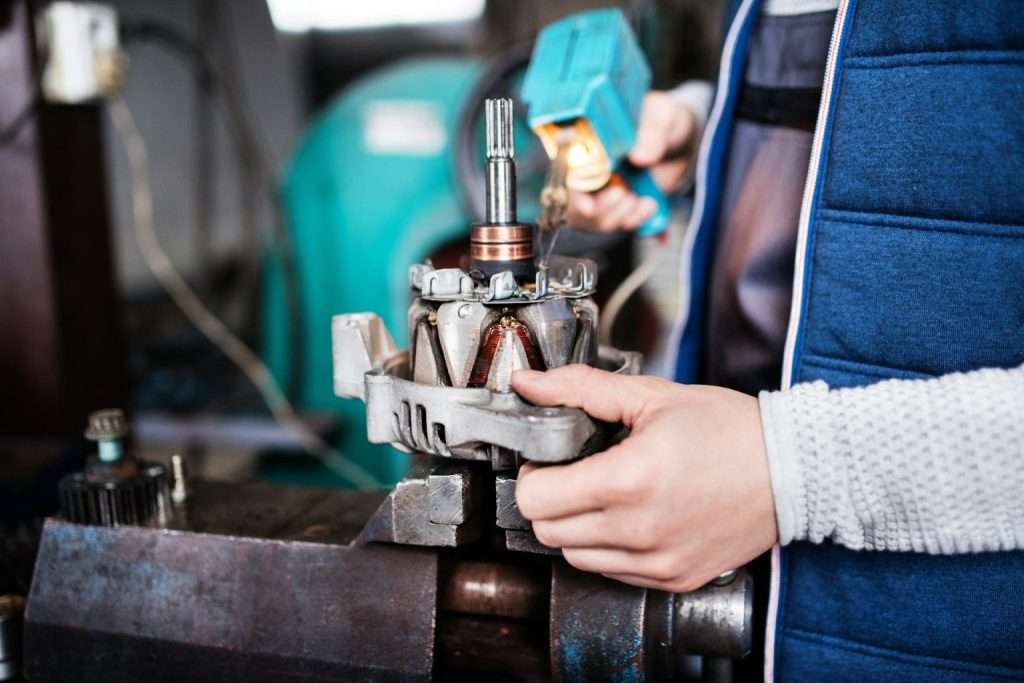
When Emergency Hydraulic Repair Becomes a Safety Issue
When a Hydraulic Breakdown Becomes a Safety Risk
A sudden hydraulic breakdown on a busy site is never just about lost time. When a crane stops mid-lift, a haul truck loses steering, or a loader drops pressure, people and plant can be at risk long before anyone picks up a spanner.
Hydraulic systems run on high pressure, high flow, and hot oil. A hose that looks small can be holding back extreme force. When that goes wrong, even a small leak or quick patch can turn into a big safety problem. This is why emergency hydraulic repair is not just another breakdown call, it is a safety event that needs calm thinking, not panic.
What often makes things worse is the rush to get gear back online. Shortcuts in fault-finding, grabbing whatever parts are on the truck, or skipping final checks can leave hidden issues in the system. Those weak points might not fail on the day, they might fail a week later when the machine is under load, on a slope or in bad weather.
Hidden Dangers in Rushed Hydraulic Fixes
Under pressure to get production going again, it is easy for people to accept a fast fix instead of a safe fix. Common shortcuts in emergency hydraulic repair can include:
- Using the wrong hose type or pressure rating
- Fitting temporary adapters that do not match original specs
- Bypassing limit switches or other safety interlocks
- Skipping proper pressure testing and leak checks
Each of these choices can introduce new hazards. For example:
- A hose with the wrong rating can burst without warning, flinging hot oil and debris
- Poorly crimped fittings can let go under load, causing booms or attachments to move suddenly
- Hot oil injection through a pinhole leak can enter the skin and cause serious injury
- Contaminated oil can damage brakes, steering or load holding valves, so the machine does not respond as expected
These risks get worse under tough working conditions. High pressure and heat put more stress on hoses and seals. Cold winter mornings can make hoses and seals harder and more brittle, so a weak spot lets go when the system first comes up to pressure. Long operating hours around peak production, such as an end of financial year rush periods, mean machines are pushed harder with less downtime to catch problems.
A “quick patch” that looks fine on a quiet day shift can fail on a night shift in bad weather, when visibility is poor and fewer people are around to respond.
Safety-First Steps When Hydraulics Fail Suddenly
When a hydraulic system fails without warning, the first steps should always focus on safety, not speed. On any site, a good initial response will usually include:
- Isolating electrical and hydraulic power at the source
- Depressurising the system in a controlled way
- Locking out and tagging the equipment so no one can restart it by mistake
- Cordoning off the area if there is a risk of falling loads, fluid spray or slips
- Recording what operators saw, heard and felt just before the failure
That last point matters. Small clues, such as a change in sound, slow response or warning lights, can help technicians find the real root cause instead of only fixing what is visibly broken.
A key question is whether it is safe to move the equipment. In some cases, shifting a machine with damaged hydraulics can:
- Put extra load on a failing hose or cylinder
- Move a boom or attachment into a dangerous position
- Add towing or lifting risks if the brakes or steering are affected
Sometimes it is safer to carry out emergency hydraulic repair where the equipment stopped, even if that feels less convenient. Onsite work reduces the need for cranes, low loaders or long tows that can add new hazards.
Clear communication is just as important as physical controls. Operators, supervisors and repair technicians should all agree on:
- What is locked out and who holds the keys
- What work is being done and what still needs to be checked
- Who has authority to declare the machine safe to return to service
No one should restart hydraulic equipment until testing is complete and someone competent has signed off.
Choosing an Emergency Repair Partner You Can Trust
When you are dealing with a live breakdown, the people you call make a big difference to safety. A repair partner with the right mindset and skills should be able to provide:
- 24/7 response so faults are dealt with before they get worse
- Technicians with real hands-on hydraulic experience
- Quality hoses, fittings and components that match original specifications
- Full system testing, not just swapping parts and leaving
Onsite mobile-service matters too. Working on the machine where it actually operates means:
- Less equipment movement across the site or public roads
- Faster clean-up and containment of spills and leaks
- Better understanding of how the system is loaded, cycled and used day to day
At MHS Group Solutions, we approach emergency hydraulic repair as part of full fluid power support, not a one-off job. We focus on:
- End-to-end service, from fault finding and design to installation and maintenance
- Rapid response across Australian worksites, including remote and regional areas
- Engineered solutions instead of band-aid fixes, so repairs hold up under real site conditions
- Clear documentation so you can meet WHS and site compliance requirements
The goal is simple: get you moving again without adding new safety risks into the system.
Preventing the Next Emergency Before It Starts
Every emergency callout is a sign that something upstream needs attention. With the right maintenance approach, many hydraulic failures can be prevented or at least caught earlier. Useful proactive steps include:
- Scheduled inspections of hoses, fittings and cylinders
- Tracking hose life and replacing critical lines before they fail
- Strong contamination control, with targeted filtration and clean oil handling
- Pre-season system checks before heavy use periods or harsh weather
These measures tend to reduce emergency hydraulic repair work over time. They can help limit near-misses and downtime, while also extending the life of pumps, valves and other expensive components.
Across industries like mining, civil construction, transport, manufacturing and agriculture, a steady maintenance program turns hydraulic systems into something you can count on, instead of something you react to. For us, the real value is in long-term partnership, from design and upgrades through to installation and ongoing service, so lessons from breakdowns are built back into safer, stronger systems.
Turn Today’s Breakdown Into Tomorrow’s Safety Upgrade
An emergency hydraulic repair should not just be about getting through the day. Each incident is a chance to ask hard questions about procedures, training, hose selection, contamination control and inspection habits. When you treat a breakdown as a learning event, the outcome can be a safer site, not just a repaired machine.
After any major hydraulic failure, it is worth stepping back for a short safety review. Walk through what went wrong, how the fault was handled and what can be improved before the next peak season or weather change. Turning those lessons into updated maintenance plans, operator checks and system upgrades helps make sure the next hydraulic issue is managed safely, efficiently and with less stress for everyone on site.
Protect Your Equipment With Fast, Reliable Support
If your machinery is down and you need work to resume quickly, our team is ready to provide rapid emergency hydraulic repair across Perth and surrounding areas. At MHS Group Solutions, we focus on diagnosing the issue efficiently so we can minimise your downtime and prevent further damage. Reach out to our technicians any time you need urgent assistance or to discuss preventative maintenance that keeps your fleet running. If you prefer to outline your job details in writing, you can also contact us and we will get back to you promptly.